


A Guide to Hurricane Shutter Installation Process
Updated: Feb 27
Installing hurricane shutters is a critical step for protecting homes and multi-family developments along Florida’s coast. The process demands precision, quality materials, and adherence to local building codes. I will walk you through the essential steps of the hurricane shutter installation process, share practical tips, and explain what to expect when hiring professionals. This guide aims to help you make informed decisions and ensure your property withstands severe weather.
Understanding the Hurricane Shutter Installation Process
The hurricane shutter installation process begins with selecting the right type of shutters. Common options include accordion shutters, roll-down shutters, Bahama shutters, and panel shutters. Each type offers different levels of protection, ease of use, and aesthetic appeal. I recommend evaluating your property’s needs, budget, and local regulations before choosing.
Once you select the shutters, the next step is measuring your windows and doors accurately. Precise measurements ensure a snug fit, which is crucial for effective protection. I advise double-checking all dimensions and consulting with your contractor to avoid costly errors.
Preparation of the installation site follows. This involves clearing the area around windows and doors, removing any obstacles, and inspecting the mounting surfaces. The surfaces must be clean, dry, and structurally sound to support the shutters.
Installation itself requires mounting brackets or tracks securely to the building’s frame. Use corrosion-resistant fasteners to prevent rust and ensure longevity. The shutters are then attached to these mounts, tested for smooth operation, and locked in place.
Finally, a thorough inspection confirms the shutters are secure and functional. I recommend scheduling regular maintenance checks to keep the shutters in optimal condition.

Types of Hurricane Shutters and Their Installation Requirements
Different shutter types require specific installation methods. Understanding these differences helps you plan and budget effectively.
Accordion Shutters: These shutters fold open and closed like an accordion. Installation involves mounting vertical tracks on either side of the window. The shutters slide into these tracks and lock in place. They are easy to operate and provide strong protection.
Roll-Down Shutters: These shutters roll up into a housing above the window. Installation requires mounting the housing securely and attaching the shutter curtain to the tracks on the sides. Roll-down shutters offer excellent protection and can be automated.
Bahama Shutters: These are hinged at the top and swing outward. Installation involves mounting heavy-duty hinges above the window and securing the shutters with latches when closed. Bahama shutters also provide shade and ventilation.
Panel Shutters: These are flat panels that attach to the window frame with bolts or tracks. Installation is straightforward but requires precise measurements and secure mounting points.
Each type has pros and cons. For example, roll-down shutters offer convenience but cost more. Panel shutters are budget-friendly but take longer to install. Choose based on your priorities.
How much do people charge to put up hurricane shutters per?
Pricing for hurricane shutter installation varies widely depending on shutter type, property size, and labor rates. On average, homeowners can expect to pay between $15 and $30 per square foot for materials and installation combined.
Accordion Shutters: $20 to $30 per square foot
Roll-Down Shutters: $25 to $40 per square foot
Bahama Shutters: $15 to $25 per square foot
Panel Shutters: $15 to $20 per square foot
Labor costs depend on the complexity of the installation and the contractor’s experience. Some contractors charge a flat fee per window or door, while others bill hourly.
I recommend obtaining multiple quotes and verifying that the contractor is licensed and insured. Ask for references and examples of previous work. Quality installation is worth the investment to avoid damage during storms.
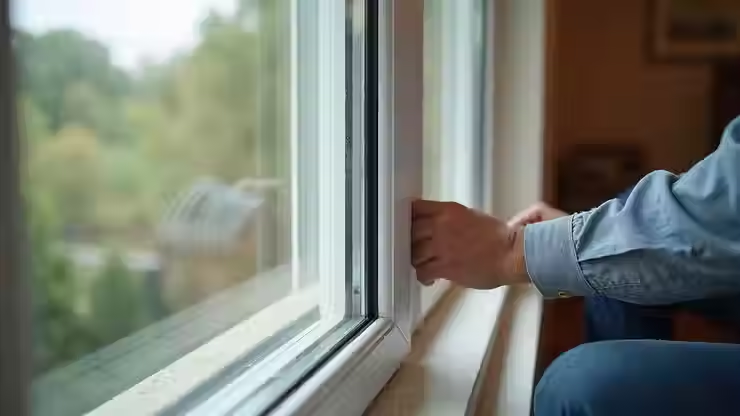
Preparing Your Property for Installation
Proper preparation speeds up the installation and ensures a secure fit. Here are key steps to prepare your property:
Clear the Area: Remove furniture, plants, and decorations near windows and doors. This gives installers room to work and prevents damage.
Inspect Surfaces: Check for cracks, rot, or damage around window frames. Repair any issues before installation to provide a solid mounting base.
Check Local Codes: Verify that your shutters meet Florida building codes and HOA requirements. Some areas require specific shutter types or permits.
Plan Access: Ensure installers can easily reach all windows and doors. Trim trees or bushes if necessary.
Communicate with Your Contractor: Discuss the installation schedule, access points, and any special instructions.
Preparation reduces delays and helps the installation go smoothly.
Maintenance Tips After Installation
After completing the hurricane shutter installation process, maintenance is essential to keep your shutters functional and durable.
Regular Cleaning: Wash shutters with mild soap and water to remove dirt and salt buildup. Avoid harsh chemicals.
Lubricate Moving Parts: Apply lubricant to hinges, tracks, and locks to ensure smooth operation.
Inspect for Damage: Check for dents, rust, or loose fasteners. Address issues promptly to prevent further damage.
Test Operation: Open and close shutters periodically to confirm they work properly.
Store Panels Safely: If you use removable panel shutters, store them in a dry, secure place when not in use.
Routine maintenance extends the life of your shutters and ensures they perform when needed.
Why Professional Installation Matters
While some homeowners consider DIY installation, professional installation offers significant advantages. Experienced contractors understand local codes, use proper tools, and ensure shutters are mounted securely. This reduces the risk of failure during a hurricane.
Professional installers also provide warranties and post-installation support. They can advise on the best shutter types for your property and handle permits and inspections.
For those investing in resilient homes or multi-family developments, professional installation is a smart choice. It protects your investment and provides peace of mind.
For reliable and expert hurricane shutters installation, trust contractors who prioritize quality and communication. This approach aligns with building lasting relationships and structures along Florida’s coast.
Investing in hurricane shutters and ensuring proper installation is essential for coastal properties. Follow this guide to understand the process, prepare your property, and maintain your shutters. Taking these steps helps protect your home or development from storm damage and supports long-term resilienc


Comments